Isis At Kom Ombo Temple

Photography by El-Branden Brazil
High quality A3 size prints are available for purchase at my online store.
Photography by El-Branden Brazil
High quality A3 size prints are available for purchase at my online store.
I call myself a Buddhist, but I believe that such labels are irrelevant. I cannot be certain, but I like to believe that Christ was a Buddha, although he was not a Buddhist.
The reality is that such labels only divide us in our mutual search for Truth. Calling yourself a Christian, Muslim, Hindu, Jain, Pagan, Buddhist, Atheist, Agnostic… whatever, does not give you the privilege to Truth alone. To investigate reality, we must first engage with it, looking beyond the preconceived, conditioned cultures we are indoctrinated into. We must step out of the comfort zones we inhabit, open our minds and embrace the possibility that we might well be wrong. Just search, question and seek absolute truths, even if you never find them, because they do exist.
Surely, whilst we may ALL be wrong in what we believe in, the least we can do, in this vast, unanswered moment in space and time, is to hug and love our brothers and sisters of different faith. Our faiths might be unprovable, but LOVE AND COMPASSION ARE ABSOLUTE, because we have all seen the results they bring. The abstract dimensions of faith should be less of a priority, whilst the direct actions of love and compassion amplified, because, regardless of faith, these are qualities that bring positive effects to all.
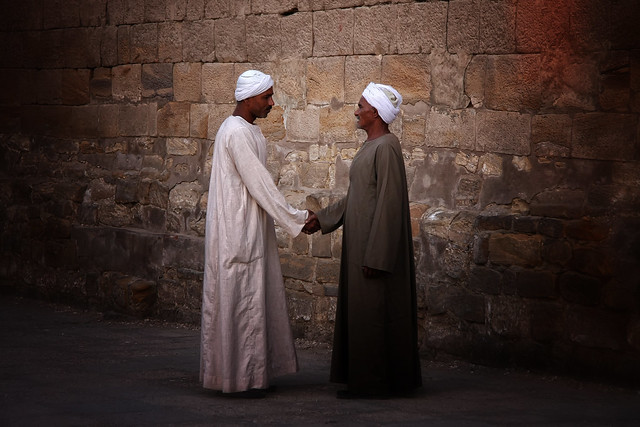
Photography by El-Branden Brazil
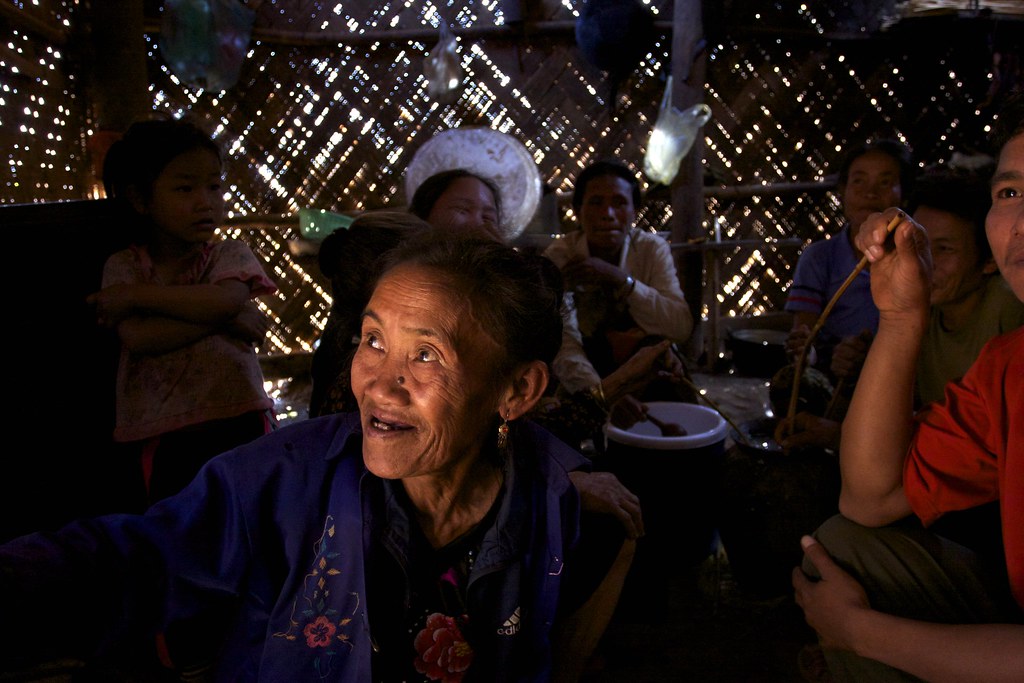
Photography by El-Branden Brazil

Photography by El-Branden Brazil
The following two poems were written in 1998. The second poem, Alternative Realities, is an abridged version of the first. The painting, Birdman, was also created in 1998.
REALITY INSECURITIES
The Aria ascended –
Claiming Rights and Giving Honour
To my Visions and Conjectures
In all its graceful turns:
Its pitches, its rises, its fluctuating rhymes –
Bound my mind from doing painful solemn time.
And yet, how foolish is my mind
That I can think I know
Not what is out beyond the hills,
But what lies out beyond the eye?
Reality twists from back and forth
In its cylindrical, distant tangled webs,
While the River flows, tingles, ebbs
So quietly on beyond all sense.
– El-Branden Brazil
ALTERNATIVE REALITIES
Fluctuating Rhymes –
their time,
their signs.
My mind I know –
the hills,
the eye,
and forth
the webs of their deceit.
And forth and forth
the distant river soars.
And forth and forth
until there is no more.
– El-Branden Brazil
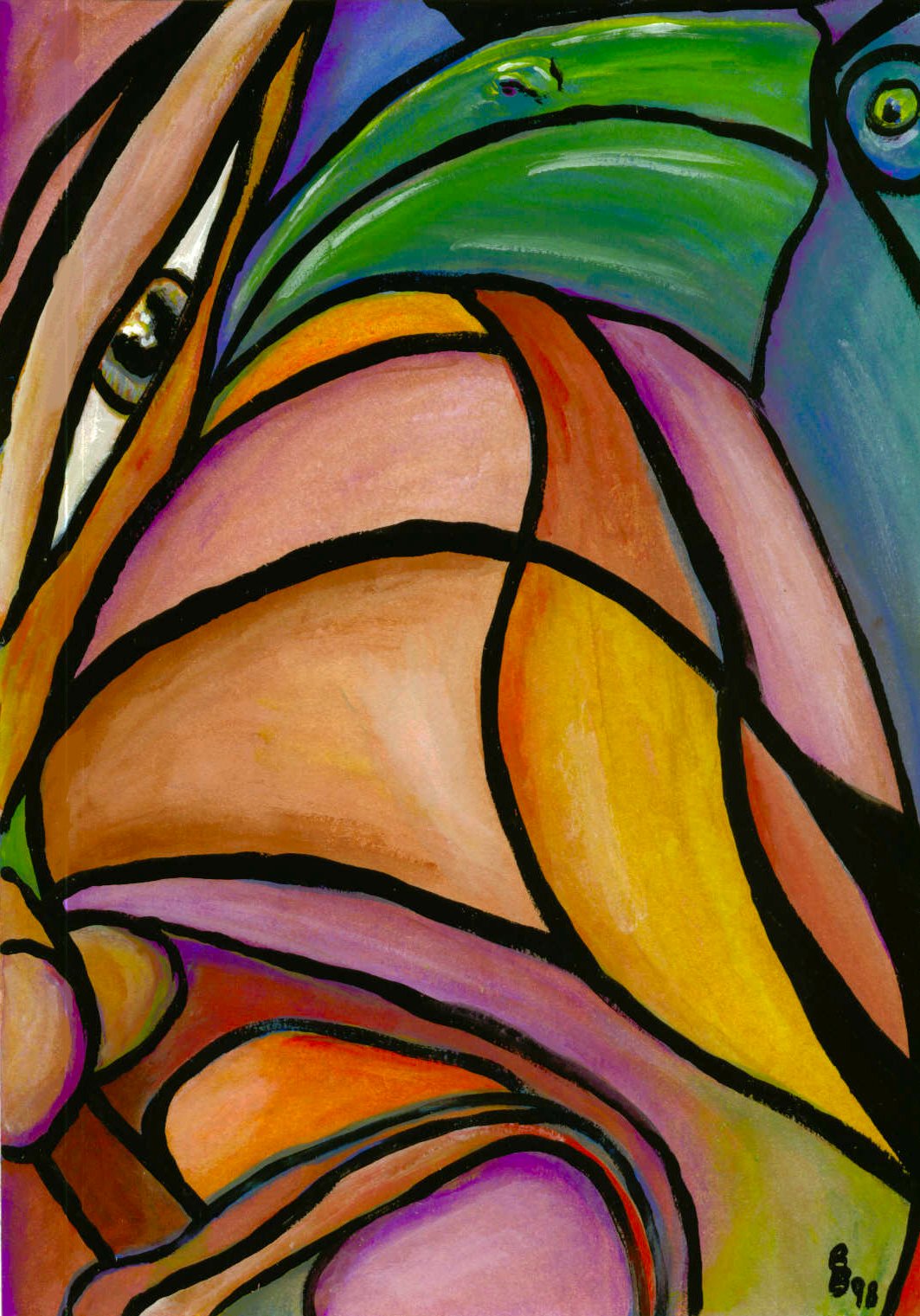
Painting by El-Branden Brazil
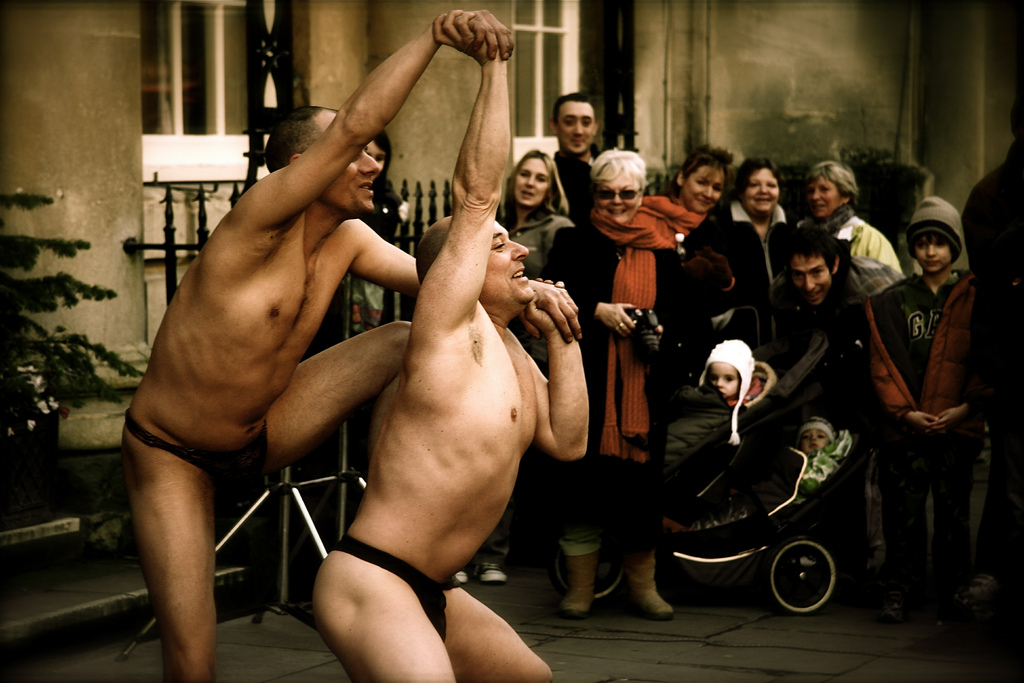
Photography by El-Branden Brazil
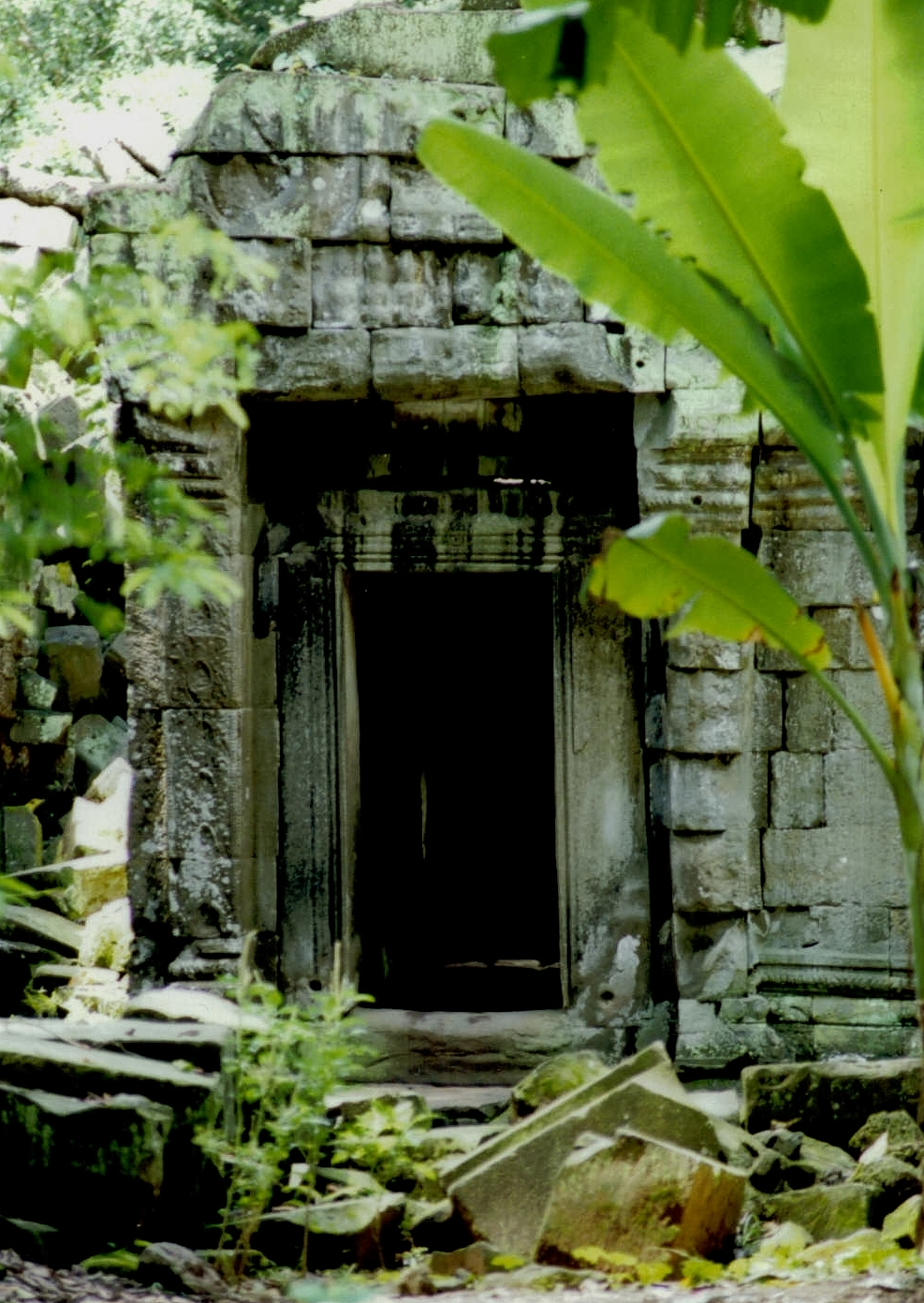
Photography by El-Branden Brazil
In fantasy literature, a reoccurring theme that is present in a vast number of classic tales, is that of portals to other worlds.
Whether it is Lewis Carroll’s Alice In Wonderland, J.M. Barrie’s Peter Pan, Frank L. Baum’s The Wizard Of Oz, Alan Garner’s Elidor, H.P. Lovecraft’s Dreamlands, or J.K. Rowling’s Harry Potter series, all the heroes and heroines of the tales are drawn into exotic lands through some magical entrance between two realities. Arguably, the most popular stories to utilize this theme are C.S. Lewis’s classic Chronicles of Narnia; the most famous being the wardrobe in The Lion, The Witch & The Wardrobe.
This literary tradition has a deep root in human consciousness. Throughout the history of humanity, whether it be through religious, scientific or mystical means, the exploration of inner space, has allowed access to levels of reality and existence beyond the senses. All great art is a manifest of the hidden, whether it is an emotional response in abstraction, or a piece conjured up from within the imagination.
In Aldous Huxley’s The Doors Of Perception, he writes about the powerful experiences he had whilst using the hallucinogenic chemical, mescaline. Again, the metaphor of a door or entrance is used to express the boundary between the everyday world and that of the altered state.
It was Huxley’s conviction that certain substances could open the mind to a reality untainted by sensory prejudices. This belief was not his alone, and has been an integral part of shamanic beliefs the world over, for thousands and thousands of years. It is by no accident that Alice ingests strange chemicals on her journey through Wonderland.
The creation of sacred spaces within a religious context, whether as a church, temple or shrine, or an improvised circle for ritual, are all places where everyday consciousness is banished, and altered states invoked. When we enter a place of worship, the symbols that surround us, trigger a referential change within that allows for prayer, communion with God, or the manifestation of spirits and magic.
The ultimate portal, which is the driving force behind all others, is death – the passing from one state of existence into another. At the centre of all religions, concepts of death dominate; even for the Atheist, who believes that it leads to a bleak black slumber of non-existence.
Shakespeare writes rather solemnly of the crossing over in Hamlet:
In J.R.R. Tolkien’s The Lord Of The Rings, there is a beautifully reassuring passage describing the threshold of death:
‘The grey rain-curtain turned all to silver glass and was rolled back, and he beheld white shores and beyond them a far green country under a swift sunrise.’

Photography by El-Branden Brazil
Wouldn’t it be spectacular to step beyond faith, speculation, cultural indoctrination, hearsay, imagination, fantasy, convenience and lies, so as to really know what ABSOLUTE TRUTH is? To truly know what lies beyond the universe? Is the universe a construct of our minds? Do we live in a holographic universe? What is the purpose of the universe? Is there life after death? What is time? Does God need to exist? Is it all but a simulation? If so, who built the simulation? Is there no purpose to anything? Is ultimate reality inherently empty? Does intelligence exist elsewhere? How is consciousness possible? What is the mind? What are we? What am I?
…to know if the dream is a dream.
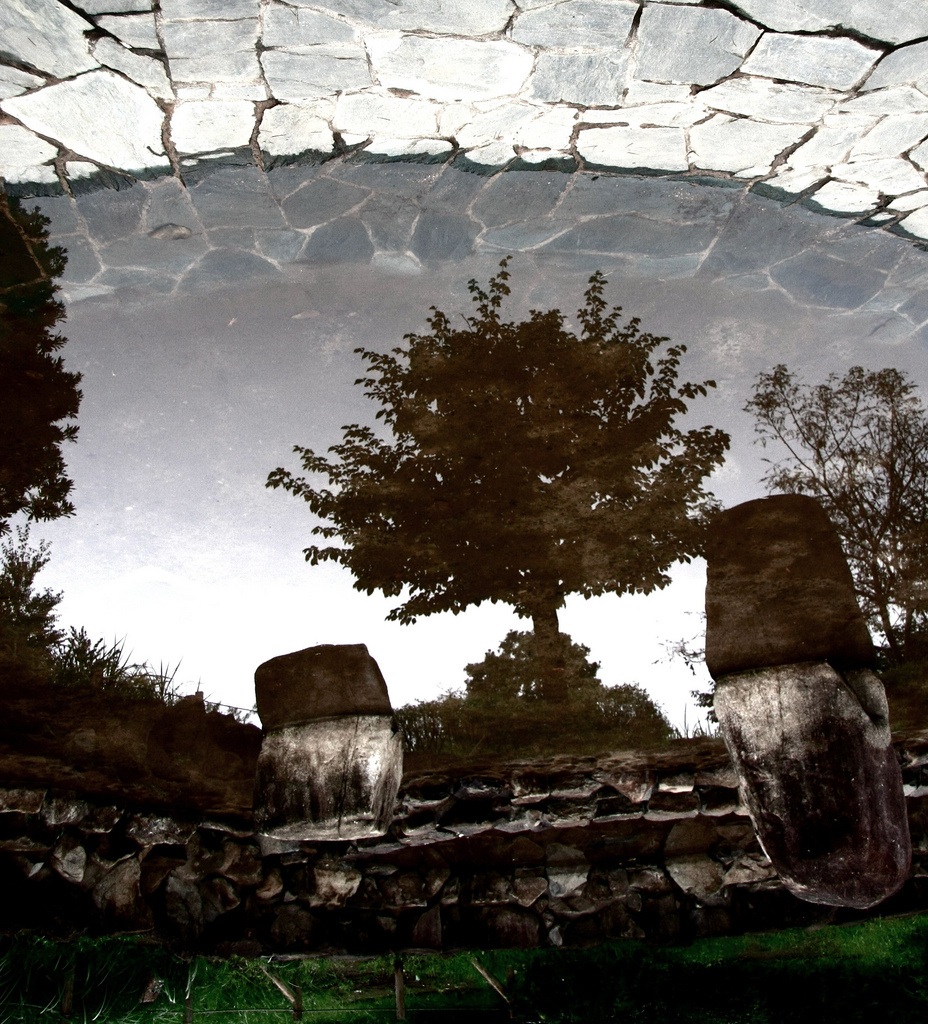
Photography by El-Branden Brazil
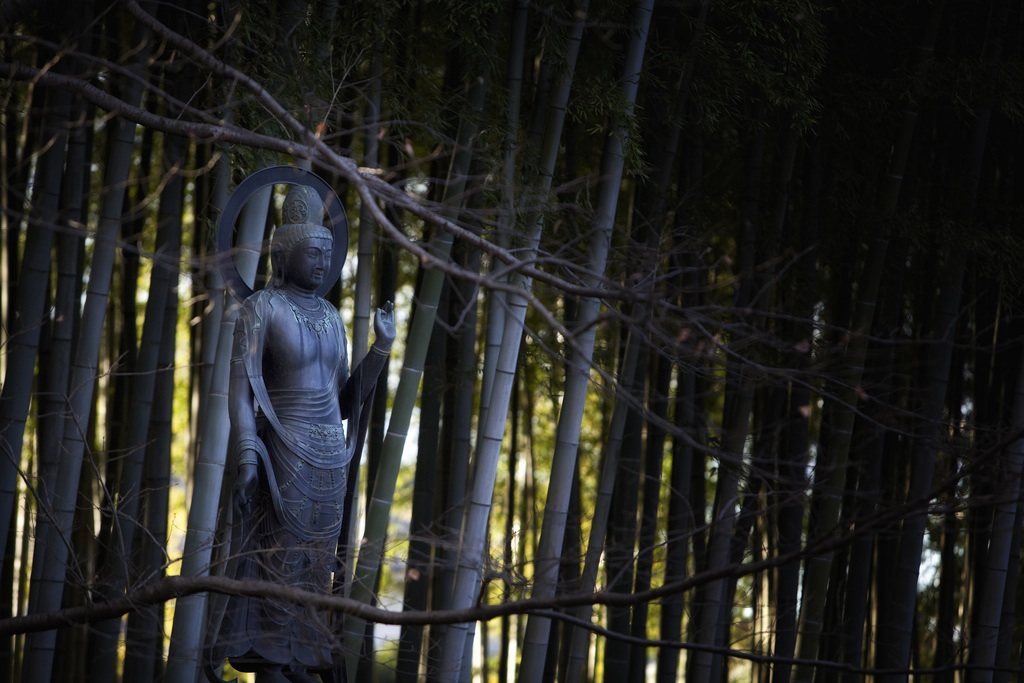
I took several images of this beautiful statue of the Bodhisattva Kannon (Avalokiteśvara) at a temple near my home, during Summer, Autumn, Winter and Spring.
Summer

Autumn
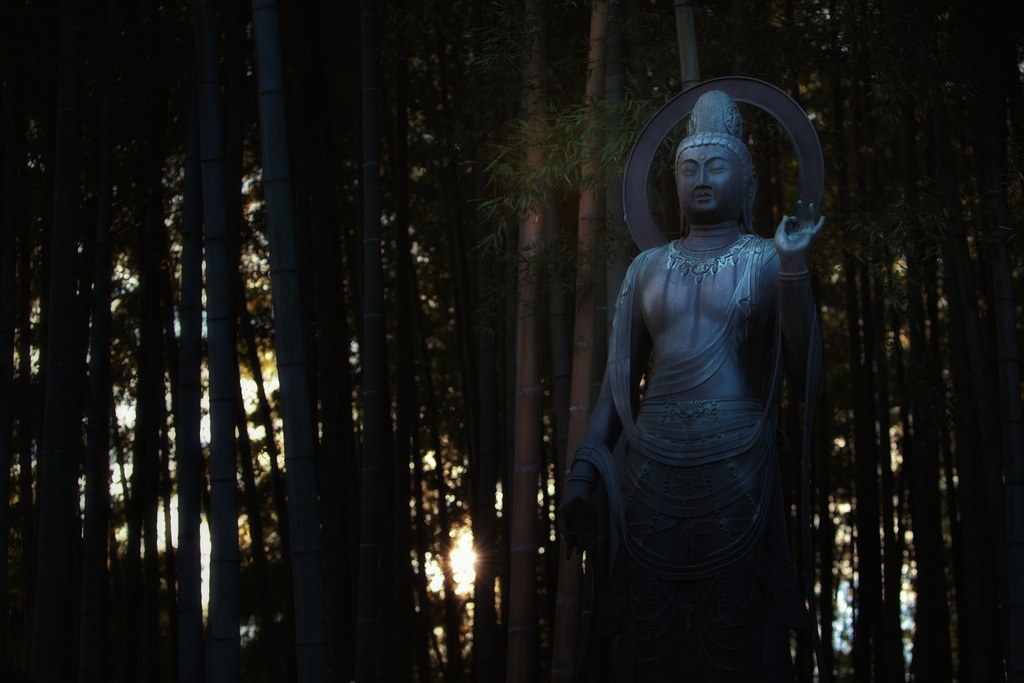
Winter
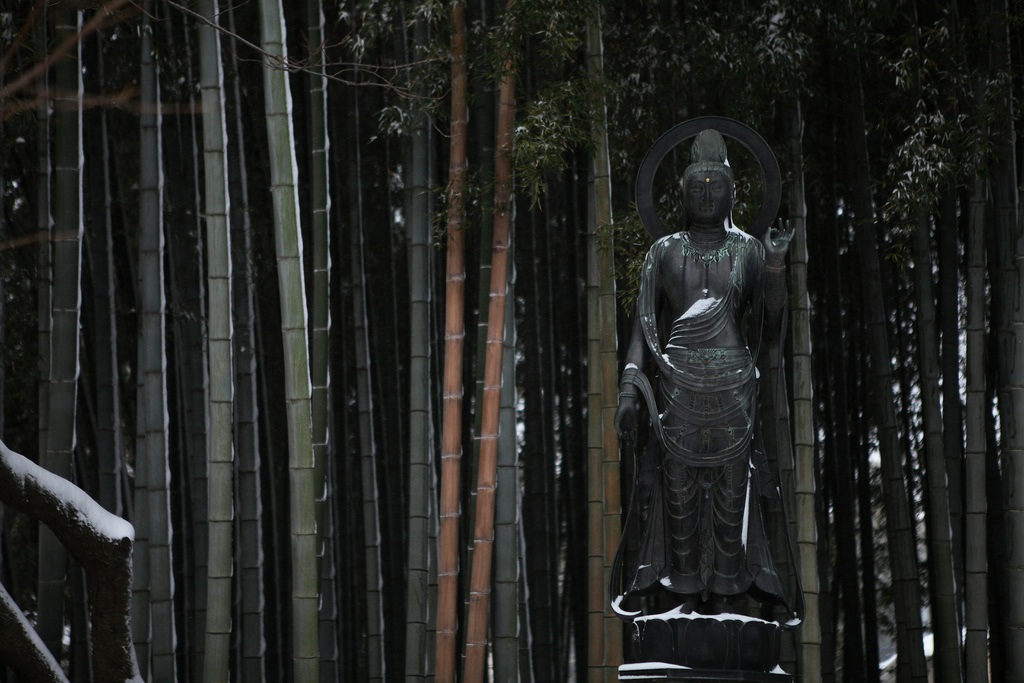
Spring
 El-Branden Brazil